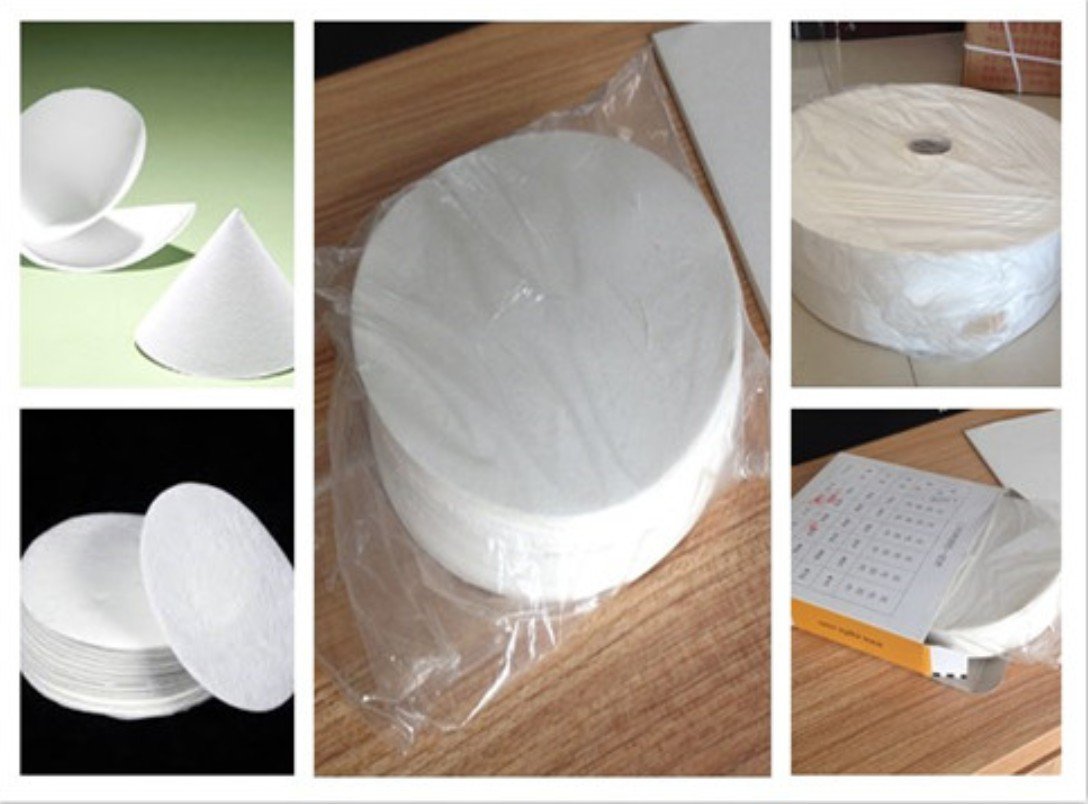
The appearance of filter paper may look simple at first, but it tells us a lot about how the paper works during filtration. In most labs and classrooms, filter paper appears as a thin, white or off-white sheet with a slightly fibrous surface. Its clean look, light color, and porous texture make it easy to identify before use.
Filter paper is designed to separate solid particles from liquids or gases. When placed inside a funnel, it allows the liquid to pass through while holding back particles such as sand, dirt, crystals, or precipitate. Understanding its appearance before and after use helps students and lab workers recognize whether the paper is clean, suitable, and working properly.
What Does the Appearance of Filter Paper Look Like?
The appearance of filter paper is usually simple and easy to recognize. In most school, college, and laboratory settings, filter paper looks like a thin, white or off-white sheet of paper with a clean surface. It may appear smooth at first glance, but if you look closely, you can notice a slightly fibrous texture. This texture comes from the cellulose fibers used to make the paper.
Filter paper is also known for its porous structure. These tiny pores allow liquid to pass through while trapping solid particles on the surface or within the paper fibers. It is commonly found in circular sheets because round filter paper fits easily inside a funnel. Some filter papers are flat, while others are folded or pre-pleated to help liquid flow more easily during filtration.
Why Filter Paper Looks Porous and Fibrous
Filter paper looks porous because it is made to let liquid or gas pass through while holding back unwanted solid particles. The small openings in the paper are called pores, and their size can vary depending on the grade of filter paper. Some filter papers are designed for fast flow, while others are made to catch very fine particles. This is why not every filter paper looks or feels exactly the same.
The fibrous look comes from cellulose, the main material used in many laboratory filter papers. Cellulose fibers create a paper-like surface that is absorbent, flexible, and strong enough for basic filtration work. When light hits the surface, the fibers can make the paper appear slightly rough or textured, even though it may feel smooth when handled gently.
Different Forms and Types of Filter Paper
Filter paper can appear in several forms depending on its use. The most common form is a flat circular sheet, often used in chemistry labs with a glass or plastic funnel. Circular filter paper is easy to fold into a cone shape, which helps it sit properly inside the funnel during simple filtration experiments.
Some filter papers are sold as pre-pleated or fluted sheets. These look like folded fans or ridged circles. The folds increase the surface area and can help liquids pass through faster. In laboratory filtration, trusted suppliers such as Cytiva explain that filter paper grades differ by thickness, particle retention, and flow rate, which affects how the paper performs in real experiments. You can read more in this official guide to Whatman filter paper grades.
Appearance of Filter Paper Before and After Use
Before use, filter paper should look clean, dry, and evenly colored. A normal sheet is usually white or slightly off-white, with no stains, tears, dust, or visible contamination. If filter paper looks damaged, dirty, or wet before use, it may affect the filtration result and should not be used for accurate laboratory work.
After use, the appearance of filter paper changes depending on the mixture being filtered. It often becomes wet, darker, and softer. If the liquid contains solid particles, the residue may appear as powder, crystals, dirt, sand, precipitate, or colored staining on the paper. In some cases, the paper may become partly translucent because it has absorbed liquid.
Why the Appearance of Filter Paper Matters in Filtration
The appearance of filter paper matters because it can show whether the paper is suitable for use. Clean and undamaged filter paper helps produce more reliable results. If the paper has holes, uneven patches, folds in the wrong place, or visible contamination, particles may pass through incorrectly or the filtrate may become polluted.
It also matters after filtration because the paper can show what was separated from the liquid. For example, a white precipitate, colored residue, or dark solid layer can help students and lab workers observe the result of a reaction or separation process. In this way, the appearance of filter paper is not just about how it looks; it also gives useful information during and after filtration.
Conclusion
The appearance of filter paper is usually white or off-white, thin, porous, and slightly fibrous. It may be flat, circular, folded, or pre-pleated depending on how it is used in filtration. Its surface is designed to allow liquid to pass through while trapping solid particles.
Understanding how filter paper looks before and after use helps students, teachers, and lab workers recognize proper filtration conditions. A clean sheet shows the paper is ready for use, while residue or staining after filtration shows what has been separated from the mixture.
FAQs
What is the normal appearance of filter paper?
Filter paper normally looks white or off-white, thin, porous, and slightly fibrous.
Why does filter paper look rough?
It may look slightly rough because it is made from cellulose fibers, which give it a fibrous texture.
What happens to filter paper when it gets wet?
Wet filter paper usually becomes darker, softer, and sometimes slightly translucent.
Why is filter paper usually circular?
It is often circular because that shape fits easily into a funnel when folded for filtration.